
Sleep is the part of daycare that parents worry about most and ask about least. The questions on a centre tour tend to be about ratios, fees, and meals — and sleep gets a vague “we follow your routine.” Here’s what actually happens in a well-run babies room during nap time, what good practice looks like in New Zealand, and why your baby’s first weeks of sleep at daycare often look quite different from their first weeks at home.
The legal and safety framework
NZ early childhood centres follow the Ministry of Health’s safer sleep guidelines (formerly the “back to sleep” rules):
- Babies are placed on their back to sleep, not on their side or stomach.
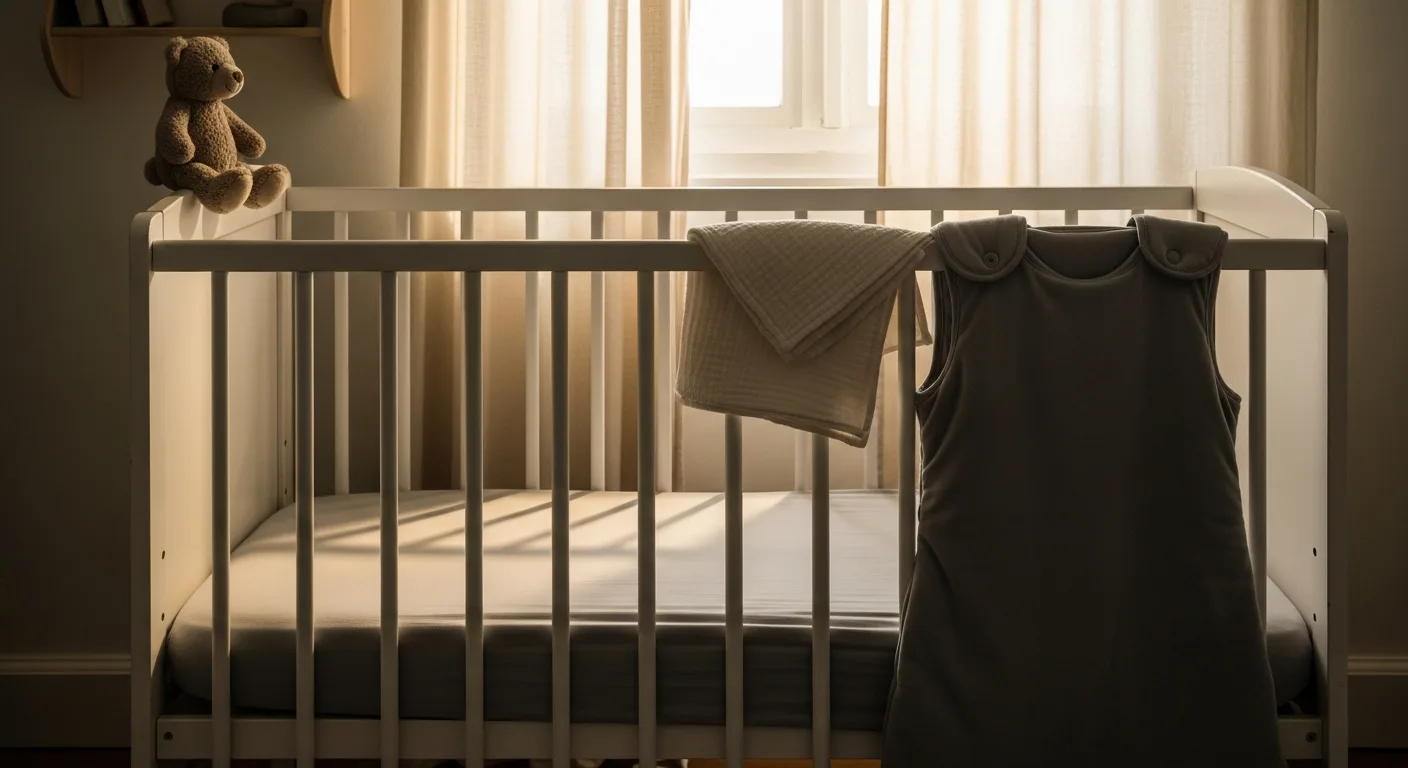
- They sleep on a firm, flat mattress with a tight-fitting sheet.
- No loose bedding, pillows, soft toys, or bumpers in the cot.
- Sleep happens in a cot (not a bouncer, swing, or car seat) for under-1s, in line with PEPE / Safe Sleep Spaces guidance.
- A sleep bag is used instead of loose blankets — usually parent-supplied.
- Babies are visually checked at regular intervals during sleep, with the frequency documented.
These aren’t optional or “best practice” — they’re the floor a licensed NZ centre operates on. If anything in this list is different at a centre you’re touring, ask why.
The room setup that actually matters
A good babies sleep room has:
- Individual cots, not bassinets or mats for under-1s
- Dim but not dark lighting so teachers can do visual sleep checks
- A consistent ambient temperature (most aim for 18–20°C, with adjustments for the day)
- White noise or quiet music — usually low-level, not loud
- Separation from the main play space so playing babies don’t wake sleeping ones
- A visible sleep chart showing when each baby went down, in what position, and when they were last checked
Walk into the sleep room on a tour and watch. If a teacher is in the room with the sleeping babies (or visible via window/half-door), and the chart is up to date, that’s the baseline you want.
How teachers settle a baby who’s new to daycare
Most babies don’t sleep well at daycare in the first 2–4 weeks. This is normal. The unfamiliar room, smells, sounds, and people all signal “don’t sleep here” to a young nervous system. Teachers expect this and have a settling sequence:
- Match home routine as closely as possible. Same songs, same comforter, same sleep bag, same approximate timing. Your settling-in conversation feeds directly into this.
- Same teacher does the settling. This is where the primary caregiver model really matters. A baby is much more likely to settle for a person they’ve been awake with for an hour than a stranger.
- Settle in the room, not in arms. Babies who get used to being rocked to sleep by a teacher in arms will struggle later when staff change. Most centres aim to settle babies in their cot from week 2–3, even if it takes longer.
- Honest patience. Most centres won’t leave a crying baby for more than a few minutes — they’ll pick up, settle, put down, repeat. The “cry it out” approach isn’t standard in NZ early childhood settings.
If after 2–3 weeks your baby still isn’t sleeping at all at the centre, you and the primary teacher should have a conversation about what to adjust — sometimes the timing of the nap, sometimes the sleep bag (a different brand can make a real difference), sometimes the position of the cot in the room.
Two-nap babies, one-nap babies, transitioning babies
Most babies transition from two naps to one between 12 and 18 months. At daycare:
- Two-nap babies (under ~12 months) usually have a morning nap around 9:30–10:30 and an afternoon nap around 1:00–2:30. The morning nap is the first to shorten and disappear.
- One-nap babies (12–18 months+) usually have a long midday nap, often 12:30–2:30 or 1:00–3:00, aligned with the older toddlers.
- Transitioning babies are the trickiest — some days they need two naps, some days one. A good centre will read your baby’s cues each day rather than forcing one or the other.
Daycare often accelerates the drop to one nap because of the energy of the social environment — babies who napped twice at home often consolidate to one within a few weeks of starting. This isn’t a bad thing as long as bedtime adjusts.
Sleep at home vs sleep at daycare — they’re different
Plan for your baby to sleep less at daycare than at home, especially in the first month. A baby who naps 2 hours in the morning at home may nap 40 minutes at daycare. This is normal and self-corrects as familiarity builds.
What to do about it:
- Bring bedtime forward by 30–45 minutes on daycare days for the first few weeks.
- Don’t try to “catch up” on naps in the car or pram after pickup — short late-afternoon sleeps wreck bedtime.
- Expect a “daycare crash” around 5:00 pm — earlier dinner and earlier bath helps.
- Saturdays may be longer-nap days as baby recovers. Build a quieter Saturday morning into the family rhythm.
By month two or three, most babies have settled into a sustainable daycare sleep pattern that doesn’t require recovery days.
What about babies who won’t sleep at all at daycare?
If after a month your baby is still not sleeping at daycare:
- Talk to the primary teacher first about timing and environment adjustments.
- Check the cot location — sometimes moving a cot away from a door or a sunny window makes a difference.
- Try sending the home sleep sack baby uses, even if it smells like home (especially in the first week).
- Don’t shorten daycare hours as the first response — this resets the settling clock. Adjust other variables first.
- Talk to your Plunket nurse or GP if sleep struggles are affecting baby’s daytime feeding or mood — sometimes there’s an underlying reason (reflux, teething, developmental leap) that needs addressing.
A word on dummies and comforters
Both are fine at sleep time in most NZ centres, as long as they’re labelled and used safely. Some sleep safety rules:
- Dummies on clips are usually removed for sleep (strangulation risk).
- Comforters are usually allowed in the cot once baby is over 6–7 months and can move their head, in line with Plunket guidance.
- Don’t introduce a new comforter just for daycare. Use what baby knows.
Frequently asked questions
Will my baby sleep at daycare? Most babies don’t sleep well in the first 2–4 weeks at daycare. This is normal. By week 4–6, most babies have a stable nap pattern at the centre, though usually with shorter naps than at home.
Where do babies sleep at daycare in NZ? On their back, in an individual cot with a firm flat mattress, in a sleep bag, with no loose bedding. This is required by NZ safer sleep guidelines and applied at all licensed centres.
Do teachers stay in the sleep room while babies sleep? Practice varies, but at minimum babies are visually checked at regular intervals (often every 5–10 minutes) and the check is documented. Many centres have a teacher in or directly adjacent to the sleep room at all times.
Can I send my baby’s home sleep bag to daycare? Yes — and you should. Familiar sleep gear helps babies settle. Label it clearly. Most centres prefer a sleep bag over loose blankets for under-2s for safety reasons.
Will daycare mess up my baby’s sleep schedule? For the first few weeks, daycare will probably shift your baby’s nap pattern. By week 4–6, most babies have adjusted. Bringing bedtime forward on daycare days for the first month usually solves the over-tired evening problem.
Our babies and toddlers centre in Welcome Bay has a dedicated sleep room with individual cots and follows NZ safer sleep guidelines. Ask us about sleep on your tour — it’s the right question to dig into.