
Welcome Bay is one of Tauranga’s most family-loved suburbs — a close-knit community tucked between the harbour, the Kaimai ranges, and the beach. For parents here, the question isn’t just “where do I find good early childhood care?” — it’s “where do I find it within a 5-minute drive so I can get to work, back in time for pickup, and still have energy for the evening?”
This is a local guide to daycare, kindergarten, and ECE options in Welcome Bay — what’s on offer, what each service type actually means under NZ rules, and how to choose the right fit for your whānau. Written from the perspective of a local ECE provider with two centres in the suburb.
Key Takeaways
• Welcome Bay has multiple licensed ECE options — including both daycare centres and kindergartens, plus home-based care across wider Tauranga.
• All licensed NZ centres must follow Te Whāriki and meet Ministry of Education ratio minimums.
• Children aged 3–5 receive 20 Free ECE Hours per week; some centres contribute up to 30 free hours.
What does “childcare” actually mean in Welcome Bay?
“Childcare” is an umbrella term that in New Zealand covers several distinct service types — all licensed by the Ministry of Education, but structured very differently. In Welcome Bay and wider Tauranga, most parents will encounter:
- Education and care services (commonly called “daycare” or “childcare centres”) — longer hours, typically 7:30am–5:30pm, cater for infants through preschoolers
- Kindergartens — traditionally shorter session hours, often 3+ years only, community-trust run
- Home-based educators — a carer in their own home or yours
- Kōhanga reo — full-immersion te reo Māori settings
All of these can legitimately be called “childcare” — but the day looks very different in each.
Daycare centres in Welcome Bay
Daycare centres (officially “education and care services”) are the most common Welcome Bay option for working parents. They open early, close late, and accept children from as young as three months through to school-age five. This makes them the practical choice for families where both parents work full-time.
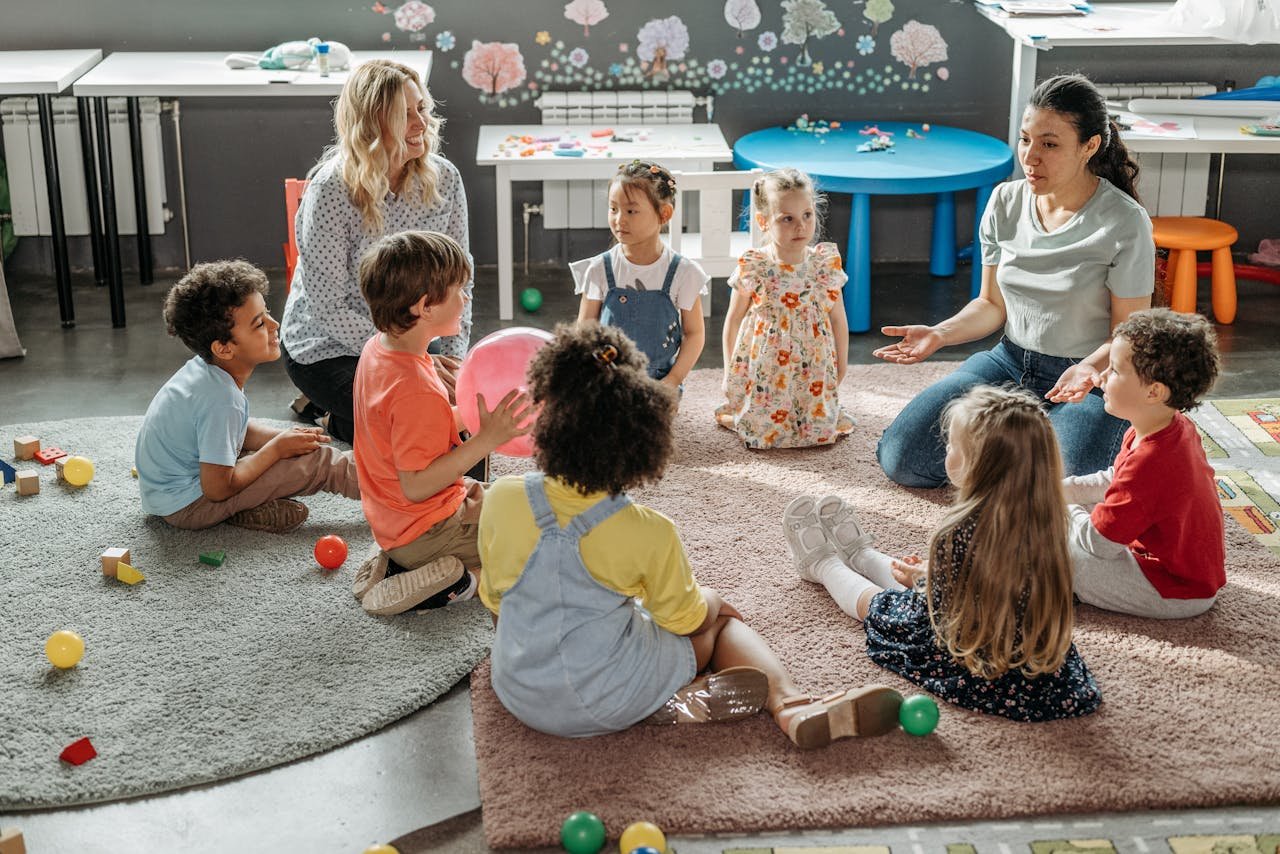
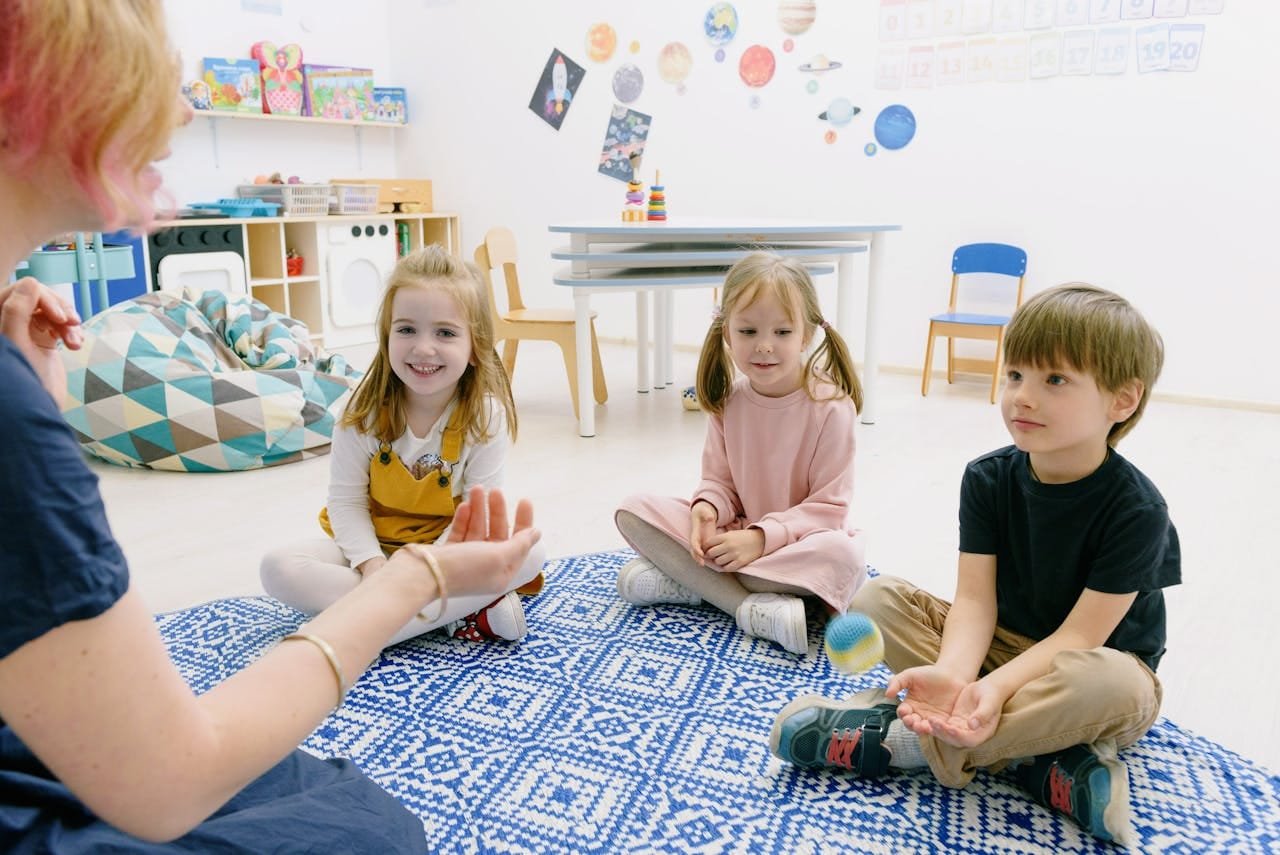
Expect the day to include structured play, outdoor time, kai together, protected sleep routines for infants, and intentional learning planned around Te Whāriki — New Zealand’s national ECE curriculum.
At The Children’s Garden, our two Welcome Bay centres split by age group — our Babies & Toddlers centre at 64 Victory Street cares for infants and under-2s, and our Preschool centre at 4 Pamir Place cares for the 3–5 age group. Both are walking distance from Welcome Bay School and the local shops.
Kindergartens in Welcome Bay and wider Tauranga
Kindergartens have a long, proud tradition in New Zealand — many are community-trust run and focus almost exclusively on the 3–5 age group. The historic model was short sessions (say 8:45am–2:45pm), but many kindies have extended their hours in recent years to serve working families.
Parents often choose kindergartens for:
- A strong community-driven culture (parents contribute time, knowledge, and whakapapa)
- Traditional play-based philosophy
- The 20 Free ECE Hours are fully covered for 3–5s
- Sometimes lower fees for over-3s
If you’re searching welcome bay kindergarten you may also find daycare centres offering preschool-age care — the terminology overlaps in everyday speech, even though the technical Ministry classifications differ. The best question to ask is: “What hours do you open, and what age groups do you take?”
Home-based ECE in Welcome Bay
Home-based ECE means a licensed educator cares for a small group of children (typically up to four) in their own home. For some families — especially those with infants — this feels closer to a whānau environment than a centre setting.
Home-based care in NZ is still regulated by the Ministry of Education. Each carer is supported by a registered coordinating teacher who visits regularly. If you’re weighing this option for Welcome Bay, ask about the educator’s qualifications, how often the coordinating teacher visits, and what the other children in their care are like (age mix matters).
What makes Welcome Bay different?
Welcome Bay is one of Tauranga’s most geographically distinct suburbs — hemmed in between the estuary, the Kaimai hills, and the highway. This gives the community a real village feel, which flows through to its early childhood culture.
Local ECE centres here tend to:
- Use the natural environment heavily — beach, bush, and Johnson Reserve
- Know each other’s families (siblings, cousins, neighbours attend the same centres)
- Build strong transition partnerships with Welcome Bay School and nearby Greenpark School
- Draw on local whakapapa and community stories
For parents moving to Welcome Bay from elsewhere, this community-first culture is often the biggest selling point — and the hardest thing to compare on a website.
How to shortlist Welcome Bay ECE options
When you’re weighing several Welcome Bay daycares or kindergartens, a useful exercise is to create a quick scorecard for each. Rate each centre (1–5) across:
- Hours — do they match your work schedule?
- Ratios — do they exceed the MoE minimums (1:5 under-2s, 1:10 over-2s)?
- Teacher continuity — how long have current teachers been there?
- ERO report — when was the last review, and what did it say?
- Te Whāriki in practice — how does the centre actually live the curriculum?
- Outdoor learning — is there a meaningful nature programme (Bush Kindy, for example)?
- Fit for your child — did your child seem comfortable on tour?
A centre that scores 4+ on all seven is rare and worth prioritising. For a deeper tour-day framework, we’ve written a 12-question Tauranga daycare tour checklist you can bring with you.
Fees and ECE funding in Welcome Bay
ECE fees vary widely across Welcome Bay — and even more across the wider Tauranga region. Most full-day under-3 care falls in the $300–$450 per week range for a 5-day booking. Over-3s benefit from the government-funded 20 Free ECE Hours, and some centres (including ours) contribute additional hours — bringing the total free care to up to 30 hours per week.
When comparing, always ask:
- What’s included in the weekly fee? (meals, nappies, sunscreen, excursions, sunhats)
- What does a 2-, 3-, or 4-day week cost?
- Do you offer a sibling discount?
- What’s your casual-day rate?
The Children’s Garden enrolment page has our full fee breakdown, funded-hours policy, and what’s included in each session.
Transitioning from Welcome Bay daycare to primary school
Most Welcome Bay 4- and 5-year-olds head to Welcome Bay School or Greenpark School. Good ECE centres in the suburb actively build transition partnerships with both — including visits to the school, familiarisation activities, and shared communication between kaiako and New Entrant teachers.
When you tour a Welcome Bay centre, ask specifically: “How do you support my child’s transition to Welcome Bay School / Greenpark School?” The answer reveals how well-connected the centre really is to the local community.
Frequently Asked Questions
What’s the difference between a daycare and a kindergarten in Welcome Bay?
Daycare centres typically open early (from 7:30am) and close late (5:30pm), cater for infants through preschoolers, and charge weekly fees. Traditional kindergartens historically offered shorter sessions (often 8:45am–2:45pm) and focused on 3–5 year olds. In 2026 many kindergartens have extended their hours, blurring the distinction — ask each centre about their actual operating hours.
Are all Welcome Bay childcare centres MoE licensed?
Every service advertising as an “education and care service”, kindergarten, home-based educator, or kōhanga reo in New Zealand must hold a current Ministry of Education licence. You can check any centre’s licence status and their latest ERO report at ero.govt.nz. Unlicensed care is illegal.
How early can my Welcome Bay child start daycare?
Licensed NZ daycares can accept babies from as young as three months, though most centres have a practical minimum start age of three to six months to allow for attachment and feeding routines. Ask each Welcome Bay centre about their infant enrolment process — settling-in for a baby typically takes longer than for an older child.
Do Welcome Bay kindergartens accept 2-year-olds?
Most traditional NZ kindergartens are licensed only for children aged 2+ or 3+, though the rules vary by individual licence. Some Welcome Bay centres offering “kindergarten” or “preschool” are actually education and care services licensed for 0–5 — which means they accept infants. Always check the licence age range directly with the service.
What is the adult-to-child ratio at Welcome Bay centres?
Ministry of Education minimums in New Zealand are 1:5 for children under 2 and 1:10 for children over 2. Quality Welcome Bay centres often run better ratios than the legal minimum — ask the specific ratio the room runs on a typical day, including what happens when a teacher takes a break.
Visit us in Welcome Bay
If you’re weighing Welcome Bay ECE options, we’d love to show you around. The Children’s Garden has two centres at 64 Victory Street (infants and toddlers) and 4 Pamir Place (preschool) — both in the heart of the suburb. Book a visit, or if you’re ready, start your enrolment.